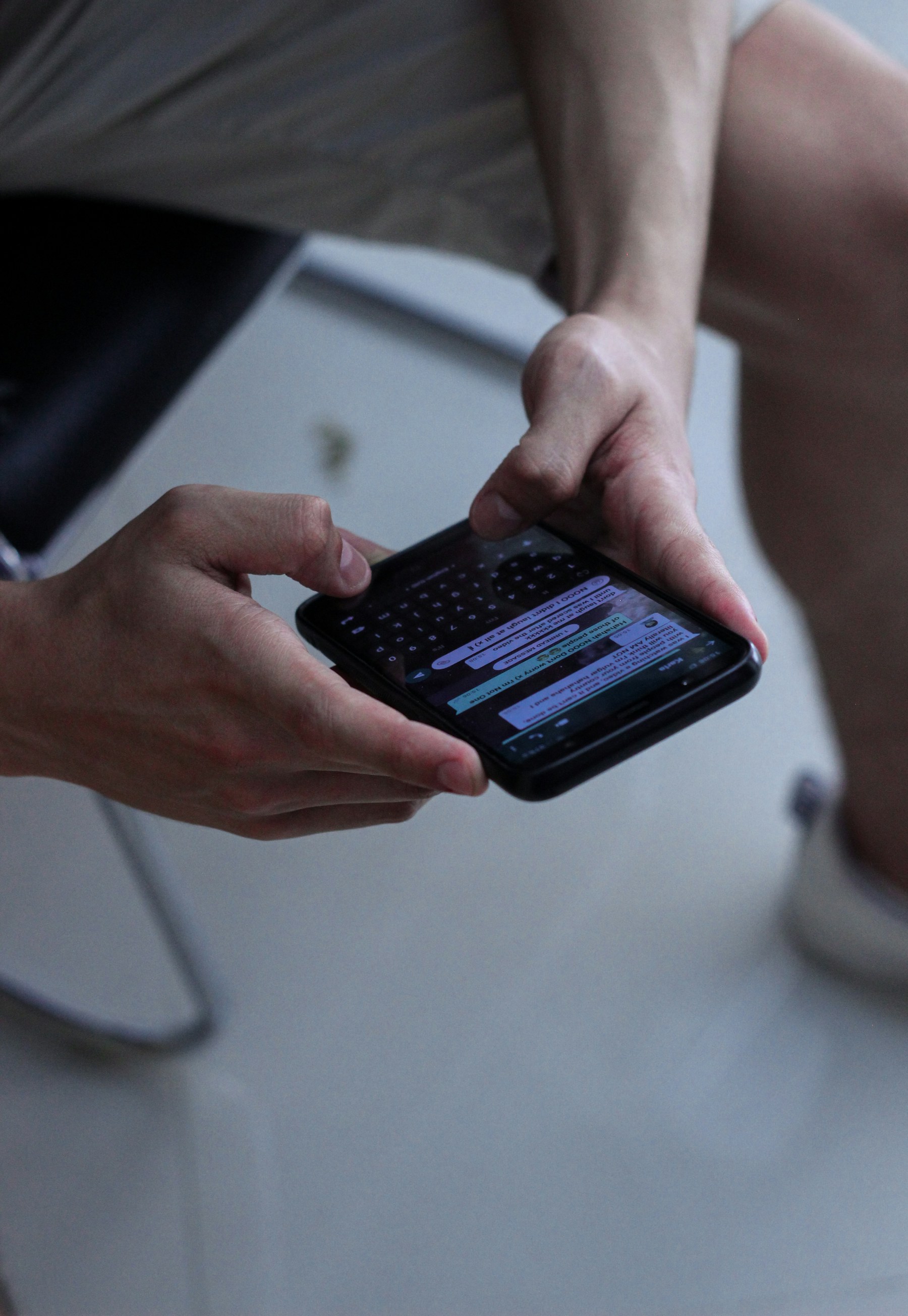
There is no universal number of texts or calls that makes a long-distance relationship healthy. A practical starting point is one low-pressure daily touchpoint, two or three planned calls during the week and one longer weekly conversation or shared activity. The exact pattern should fit both people’s time zones, work, energy and need for independent time.
Start with a rhythm, not a message quota
The purpose of a routine is not to prove commitment by staying constantly reachable. It is to reduce guesswork. When both people know roughly when they will connect, a busy afternoon or delayed reply is less likely to feel like a sudden change in the relationship. Structure should create reassurance while still allowing ordinary life to happen.
Think of the schedule as a shared draft. Try it for two weeks, notice what feels sustaining or burdensome, and adjust together. A routine that only works when nobody is tired, travelling or under pressure is not yet realistic.
A simple baseline
- Daily: one optional, asynchronous sign of connection.
- Twice a week: a short call with enough attention for a real exchange.
- Weekly: one longer date, activity or relationship check-in.
- Monthly: review the routine, privacy boundaries and the next shared plan.
For a practical companion to this idea, read understand how digital rituals shape long-distance relationships.
Build the routine with the RHYTHM framework
Use RHYTHM to design a routine that is specific without becoming rigid. R is realistic availability: name the times when each person can actually pay attention. H is high-quality shared time: protect at least one conversation or activity from multitasking. Y is your low-pressure daily signal: choose a small gesture that does not demand an immediate answer.
T means take difficult topics to a richer channel. A sensitive disagreement may need voice or video rather than a chain of short texts. The second H is hold space for independent life: friends, family, hobbies, sleep and unplanned time are part of a sustainable relationship. M is a monthly reset: discuss what is working, what needs to change and what shared event or visit gives the next month a horizon.
This framework separates reliability from intensity. A dependable twenty-minute call can offer more connection than hours of distracted messaging. Research on couples’ communication and relationship satisfaction also cautions against treating any single communication behavior as a simple cause of relationship quality; context and the relationship’s wider pattern matter.
RHYTHM at a glance
- Realistic availability
- High-quality shared time
- Your low-pressure daily signal
- Take difficult topics to a richer channel
- Hold space for independent life
- Monthly reset and shared horizon
Consistency is not the same as constant access; a useful routine makes connection predictable without making either person permanently on call.
Try this flexible weekly communication schedule
A sample week might include short calls on Tuesday and Thursday, a longer video date on Saturday and a ten-minute planning check on Sunday. The other days can use asynchronous contact: a photo of an ordinary moment, a voice note, a question to answer later or a brief goodnight message. This creates continuity without asking both people to be free at the same moment every day.
Give each planned conversation a loose purpose. A short call can cover the shape of the day and one meaningful update. A longer date can include cooking, watching something, playing a game or simply talking without another task open. The weekly planning check can cover schedules, stress points and any topic that should not be left to assumption.
Avoid scheduling every interaction. Spontaneous calls and messages can still feel delightful when they are invitations rather than tests. “Free for ten minutes?” gives the other person an easy answer. If not, the planned connection remains in place.
An example, not a rule
- Monday: asynchronous voice note about the week ahead.
- Tuesday: twenty-minute call after work.
- Wednesday: independent evening with an optional photo or message.
- Thursday: short video call or shared walk by phone.
- Friday: flexible social time with no response deadline.
- Saturday: longer video date or shared activity.
- Sunday: ten-minute calendar and feelings check-in.
Continue this topic with match each conversation to the right communication channel.
Plan for time zones and changing schedules
Start by identifying overlap rather than demanding equal convenience in every call. Each person can mark reliable windows, difficult hours and times that must remain protected for sleep or work. If one partner repeatedly takes the inconvenient slot, alternate where possible or find another way to balance the effort.
Use calendar invitations for important calls, include both time zones and confirm changes early. Daylight-saving shifts can move the overlap even when neither person changes their routine, so check the calendar around seasonal changes and travel. A shared calendar should support coordination, not provide a record of every private activity.
Create a fallback for weeks that collapse. A two-minute voice note and a newly scheduled call can maintain continuity during deadlines, illness or family demands. The fallback is not a lesser form of affection; it is the routine adapting to reality.
A useful scheduling script
- “My reliable windows this month are Tuesday and Thursday after 7, plus Saturday morning. Which of those works without costing you sleep?”
- “This week is unusually heavy. Can we keep Thursday short and move our longer date to Sunday?”
Choose text, voice or video by purpose
Text is useful for affection, logistics and thoughts that do not require an immediate reply. Voice adds tone and can make an ordinary update feel more present. Video provides facial expression and a sense of shared space, but it also demands more attention and may be tiring after a screen-heavy day. No channel is automatically more sincere.
HelpGuide and Harvard’s communication guidance both emphasize active listening, clarity and attention to nonverbal cues. Put those principles into practice by reducing distractions during important calls, reflecting back what you understood and asking one clarifying question before forming a conclusion.
When a text starts producing repeated clarification, stop adding paragraphs. Write: “I think tone is getting lost. Can we talk at our next available time?” Moving channels is not avoiding the issue; it is choosing more context for it.
Match the channel to the task
- Text: simple plans, affection and non-urgent updates.
- Voice note: a story or feeling that benefits from tone but can wait.
- Call: decisions, nuanced updates and early repair.
- Video: longer dates, shared activities and conversations where visual cues help.
For another useful perspective, build trust through consistency rather than constant availability.
Agree on what happens after a missed call or slow reply
Decide in advance what a missed call means: usually only that the person could not answer. A workable agreement might be, “If I miss a planned call, I will send a brief update when I can and suggest another time.” That turns silence into a practical rescheduling question rather than a test of how worried someone should become.
Separate urgent communication from ordinary contact. Choose one method for genuine urgency and define it narrowly. Repeated calls may be appropriate for an immediate safety or family issue, but they should not become the default response to delayed texting.
If response gaps repeatedly feel painful, discuss the pattern during a calm call. Describe the observable event, the effect and a specific request: “When our planned call passed without a message, I felt unprepared. Could you send a quick update if you know you will miss it?” This is clearer than arguing about whether someone cares enough.
Keep conflict out of the text spiral
Long-distance conflict often arrives through the same device used for reassurance. When emotion rises, short messages can look harsher and both people may answer fragments before understanding the whole concern. Use a pause-and-return rule: name the pause, choose the next channel and set a realistic time to resume.
A pause should not become indefinite withdrawal. “I am too activated to answer carefully. Can we talk by video at 8 tomorrow?” preserves the relationship while protecting the conversation from impulsive replies. If tomorrow is impossible, name the earliest honest time rather than promising a call you cannot make.
During the return, take turns describing what happened, what meaning each person attached to it and what would help now. The goal is not to prove whose interpretation was objectively correct. It is to understand the gap, make one practical repair and decide whether the routine itself needs changing.
A three-line repair message
- “I care about resolving this, and text is making it harder.”
- “I need a pause so I can listen rather than react.”
- “Can we call tomorrow at 8 and start with what each of us understood?”
You may also want to set clear boundaries for location, photos and shared accounts.
Create shared experiences without living on camera
Conversation is not the only form of connection. Cook the same simple meal, take separate walks while on a call, read a short article, exchange a playlist or watch one episode together. Choose activities that leave room for interaction instead of turning every date into passive screen time.
Also protect experiences that are not immediately reported. Independent friendships and interests give each person a fuller life and create new material to bring back to the relationship. A partner should not have to document every social event to demonstrate transparency.
Agree before posting or sharing screenshots, photos, location or private details from a call. Distance can make digital material feel like the relationship’s main evidence, but consent still applies to the audience, purpose and duration of that sharing.
Review the routine once a month
Set aside twenty minutes each month to review the system rather than evaluating the entire relationship during a difficult moment. Ask what created closeness, which commitments were hard to keep and whether either person has been sacrificing sleep, privacy or offline relationships to maintain the schedule.
Then look ahead. Add travel, deadlines, family events and the next in-person visit or shared milestone if one is possible. A future plan does not need to be elaborate, but it helps daily messages connect to something beyond maintaining the channel itself.
Change one element at a time and test it. If video feels tiring, replace one call with a walk-and-talk. If spontaneous contact has disappeared, leave one evening unscheduled. If missed messages create uncertainty, improve the rescheduling agreement before adding more calls.
Monthly reset questions
- Which moment helped you feel most connected this month?
- Which part of the routine felt like pressure?
- Do our current response and privacy expectations still feel fair?
- What will be different about the next four weeks?
- What shared plan are we looking forward to?
Long-distance communication questions, answered
How often should long-distance couples talk? Often enough that both people feel considered, but not so often that contact routinely damages sleep, work or independent life. Start with a light daily signal, two or three calls and one longer weekly connection, then adjust based on real experience.
Is it bad if we do not text all day? No. Asynchronous days can be entirely compatible with closeness when expectations are clear and planned contact is reliable. Problems are more likely to come from an unexplained change in pattern than from any particular frequency.
What can we talk about when nothing happened? Share one detail rather than a complete report: something you noticed, a small decision, a question, a memory or a plan. Shared activities also reduce pressure to manufacture conversation.
What if one person wants more contact? Compare the need underneath the preferred frequency. One person may want reassurance; the other may need uninterrupted work or rest. A dependable check-in plus clearer rescheduling may meet both needs better than simply increasing message volume.
When is the routine not working? Revisit it when calls regularly feel compulsory, one person carries most of the planning, sleep or responsibilities suffer, privacy becomes proof of loyalty, or conflicts are repeatedly abandoned. A schedule cannot solve every relationship problem, but it can make the pattern visible enough to discuss.
Make the routine dependable and revisable
A strong long-distance communication routine is predictable enough to create trust and flexible enough to survive real life. Begin with a small daily signal, a few focused calls, one longer shared period and a brief weekly planning check. Protect independent time, move sensitive topics to a richer channel and agree how to repair missed connections.
Try the arrangement for two weeks, then use the monthly reset questions to refine it. The goal is not a perfect streak of contact. It is a shared rhythm in which both people know when connection is coming, can ask for change and still have room to live the lives they are bringing to the relationship.
Sources & further reading
Continue with trusted research
- Effective Communication: Improving Your Interpersonal SkillsHelpGuide.org
- 8 Ways You Can Improve Your Communication SkillsHarvard Division of Continuing Education
- Does Couples' Communication Predict Marital Satisfaction, or Does Marital Satisfaction Predict Communication?Journal of Marriage and Family via PubMed Central
This article offers general educational context, not medical, legal or mental-health advice. See our Editorial Policy.