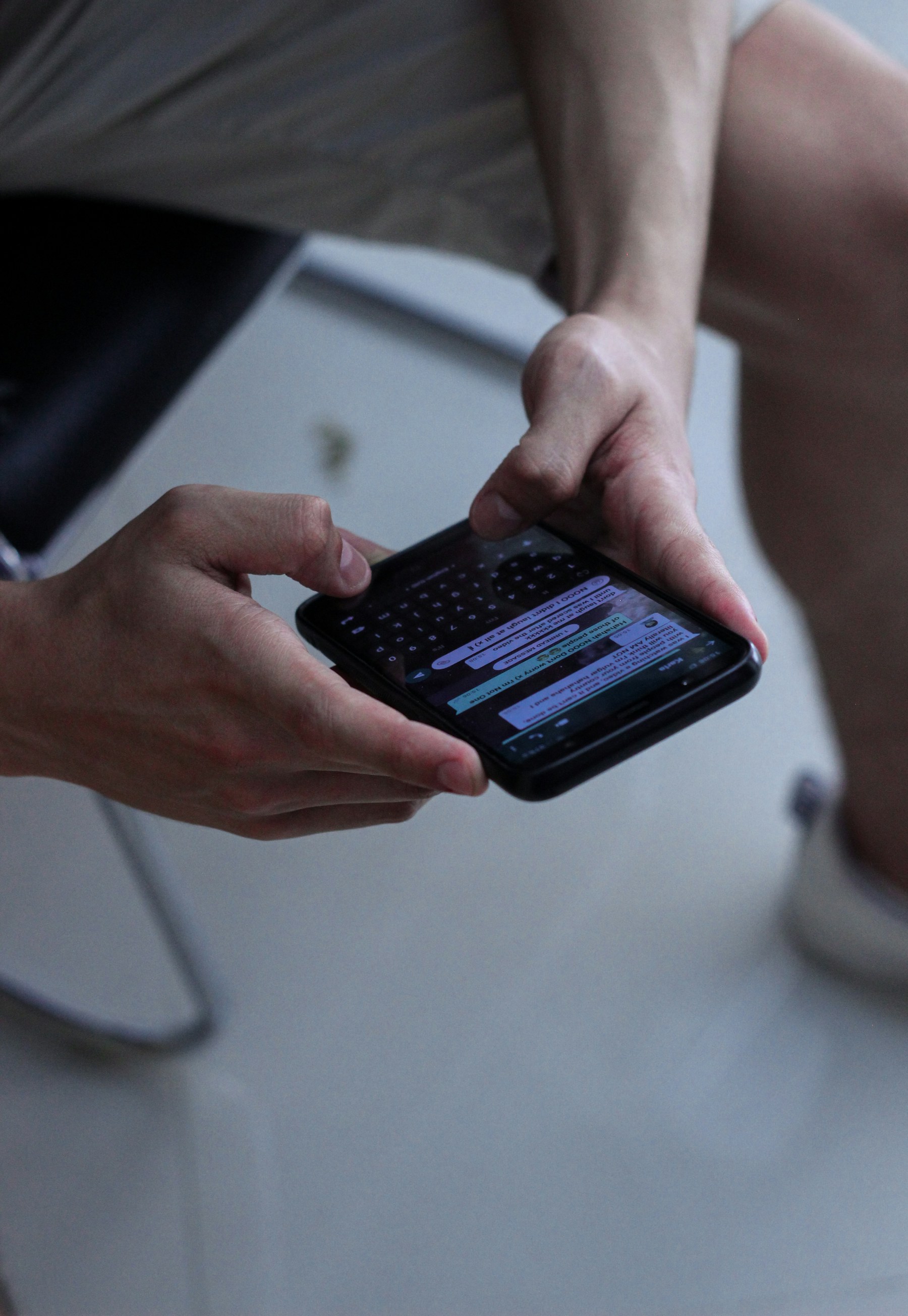
Digital relationship red flags are repeated behaviors that use phones, accounts, apps or online audiences to reduce another person’s freedom. Common examples include demanding immediate replies, treating location access as proof of love, checking a device without permission, controlling posts or contacts, pressuring for intimate images and retaliating when a boundary is set.
Look for a pattern of pressure, monitoring or punishment
One clumsy question does not define an entire relationship. Context matters: a mutually chosen check-in during a late journey is different from permanent tracking that cannot be refused. The more useful questions are whether the behavior forms a pattern, whether the rules are equal, whether you can change your mind and whether saying no brings anger, guilt, threats, silence or public humiliation.
If you feel in immediate danger, contact local emergency services or a trusted specialist service where you live. If there is no immediate danger, you still do not need to prove that a behavior is severe enough before seeking confidential support. This guide offers general educational information, not individualized legal, medical or therapeutic advice.
The pattern matters more than the platform
- Pressure: access or contact is presented as an obligation.
- Monitoring: technology is used to watch rather than communicate.
- Isolation: online rules shrink contact with friends, family or work.
- Punishment: disagreement triggers threats, humiliation or withdrawal.
- Escalation: the demands grow after each concession.
For a practical companion to this idea, read make clear agreements about phones, photos and location sharing.
Use the PAUSE check when a digital behavior feels wrong
PAUSE is a practical way to examine a concerning interaction without trying to diagnose a person. P is Pattern: has the behavior happened repeatedly or spread into more parts of your life? A is Access: what device, account, image, location or audience are you being asked to surrender? U is Unequal rules: does one person demand visibility while keeping their own choices private?
S is Safety effect: do you change ordinary behavior because you expect anger, questioning or exposure? E is Escalation: what happens when you hesitate, decline or withdraw permission? A respectful partner may feel disappointed or ask for context, but they can still accept an answer. A controlling response tries to make refusal too costly.
Write down the observable behavior rather than only the label. “They sent thirty messages while I was at work, then threatened to post a private screenshot when I did not reply” is easier to evaluate and explain than “They are toxic.” Specific details can also help a trusted person or specialist understand the situation.
PAUSE at a glance
- Pattern: repeated behavior rather than one isolated misunderstanding.
- Access: the information, device or audience being controlled.
- Unequal rules: permissions that apply only in one direction.
- Safety effect: how the behavior changes your freedom and choices.
- Escalation: the reaction when you set or restore a boundary.
The clearest warning sign is often not the request itself, but whether you remain free to answer no without fear, punishment or repeated pressure.
Constant contact can become a form of supervision
Frequent messages can be affectionate when both people enjoy them. The red flag is an expectation of continuous proof: repeated “Where are you?” messages, demands for photos of your surroundings, accusations after a delayed reply or rules that make work, sleep and time with others feel unsafe. The device stops connecting two people and starts supervising one of them.
Notice whether explanations ever resolve the concern. If every answered question creates another requirement—reply faster, keep video on, send a timestamp, stop seeing a friend—the goal may no longer be reassurance. The moving target keeps one person occupied with proving innocence.
A healthy alternative is a specific, mutual agreement: “If plans change, let’s send one update when we can.” Neither person should have to provide a live record of an ordinary day to prevent conflict.
Continue this topic with set online-dating boundaries before pressure becomes a pattern.
Password and phone demands are not proof of trust
A partner may ask to use a phone, know an emergency code or share an account for convenience. Those arrangements can be consensual when the purpose and limits are clear. Pressure begins when access is treated as a loyalty test: “If you have nothing to hide, give me your password.” Secret searches, forced biometric unlocking and repeated inspections cross the same line.
Phone privacy also protects conversations and records belonging to friends, relatives, colleagues and clients. Being in a relationship does not automatically transfer permission over those people’s information. Transparency means being honest about relevant choices; it does not require surrendering every private space.
If you once shared a code, you are allowed to change the agreement. A respectful response might involve a conversation about the concern. Retaliation, accusations or attempts to regain access without permission are warning signs.
Location sharing should remain voluntary and limited
Location features can support coordination and safety, but their meaning depends on consent. Sharing a route for one journey is different from permanent access used to question every stop. A healthy agreement identifies who can see the location, why it is useful, how long it lasts and how either person can switch it off.
Warning signs include installing tracking without clear permission, becoming angry when sharing is paused, using location history to challenge harmless movements or asking friends and family to help monitor someone. eSafety describes forced location sharing and constant technology-enabled questioning as examples of tech-based coercive control.
If you suspect tracking, avoid making sudden device changes when doing so could increase danger. A specialist technology-safety or domestic-abuse service can help think through safer options based on your circumstances.
For another useful perspective, build digital trust through consistency rather than surveillance.
Control can hide inside social-media “preferences”
Couples can discuss what they post about each other. The concern is not a preference but a one-sided rule enforced through fear or punishment. Examples include dictating which photos you may post, ordering you to remove friends, requiring relationship status updates, impersonating you, reading direct messages or using comments and stories to embarrass you after a disagreement.
Digital isolation may develop gradually. A partner criticizes one friend, then asks for an unfollow, then starts fights whenever you participate in a group chat. The individual requests can appear small while the combined result is less outside support and more dependence.
Ask whether the agreement leaves both people with meaningful choice. Mutual discussion makes room for different views. Control decides the answer in advance and imposes a consequence for dissent.
Sexual images require specific and ongoing consent
Pressure to send intimate photos or videos is a digital red flag even within an established relationship. Consent to flirt, have sex or send one image is not consent to create more, store it indefinitely, show it to others or use it during conflict. “You owe me,” “prove you love me” and threats to leave or expose someone are not freely given consent.
Another warning sign is keeping intimate material after permission has been withdrawn or threatening to share it. Do not negotiate alone with threats of exposure if doing so feels unsafe. Preserve information only when it can be done safely, avoid paying or sending more material in response to coercion, and seek confidential local support about reporting and protection options.
Laws and reporting processes vary by location. A specialist organization or qualified local professional can explain options; this article cannot provide legal advice.
You may also want to choose a richer channel for a difficult conversation.
A boundary and a controlling rule work differently
A boundary describes what a person will participate in: “I will not stay in a conversation where I am insulted.” A request invites an answer: “Would you text if you will be late?” A controlling rule dictates another person’s ordinary choices and attaches punishment: “You must share your location all day or I will accuse you publicly.”
The words can sound similar, so examine who has agency. A genuine boundary does not require access to another person’s device, body, friendships or movements. It explains a personal limit and the action the speaker controls. A controlling rule uses the language of care, safety or boundaries to remove the other person’s options.
You can test a low-risk situation with a clear statement: “I am not sharing my password. If you are worried about something, we can talk about the specific concern.” The response offers useful information. Respect can coexist with disappointment; repeated pressure does not respect the limit.
Compare the structure
- Boundary: “I turn off notifications while I am working.”
- Request: “Could we plan one check-in after work?”
- Agreement: “We will message if our shared plans change.”
- Control: “You must answer every message so I know where you are.”
Respond with safety, support and small practical steps
If the behavior feels uncomfortable but not immediately dangerous, name one specific action and limit: “Do not open my messages. If it happens again, I will change my code and step back from shared device access.” Choose an action you control. You do not need to debate whether your discomfort is reasonable before protecting your privacy.
If you fear retaliation, prioritize safety over confrontation. Consider speaking from a device the other person cannot access, telling one trusted person what is happening and contacting a confidential support service. Do not assume that deleting an app, disabling tracking or changing passwords is always the safest first move; visible changes can alert someone who is monitoring the account.
When it is safe, review account recovery addresses, active sessions, shared cloud libraries, family plans, smart-home permissions and location settings. Use unique passwords and multi-factor authentication controlled only by you. A support organization can help create a technology-safety plan without requiring an immediate relationship decision.
A safer order of operations
- Assess whether any change could trigger immediate risk.
- Use a safer device or account to seek confidential guidance.
- Tell a trusted person and agree how to check in.
- Document specific incidents only if storage is safe.
- Change access and settings as part of a considered safety plan.
Support a friend without taking over their choices
If a friend describes monitoring or pressure, listen without demanding that they leave immediately. Say what you have noticed: “I have seen how anxious the location messages make you.” Confirm that the behavior is not their fault and ask what support would feel useful today.
Avoid contacting the partner, posting accusations or changing the friend’s accounts without permission. Those actions can remove control from the person you are trying to help or create new risk. Offer practical options instead: a private phone call, a place to store information, transport, company while contacting a support service or a neutral check-in plan.
Keep the door open if they are not ready to act. Nonjudgmental, consistent contact can preserve an important connection when digital isolation is already narrowing their world.
Digital red-flag questions, answered
Is asking for a password always a red flag? The question alone is not enough to decide. Look at purpose, consent, reciprocity and the response to no. Demands, secret access and punishment are concerning.
Is location sharing unhealthy? Not when it is informed, voluntary, limited and easy to stop. It becomes concerning when it is required, hidden or used to interrogate ordinary movement.
What if the behavior comes from insecurity? A feeling may explain a request, but it does not excuse surveillance, threats or repeated boundary violations. Insecurity can be discussed without transferring control of another person’s device or social life.
Should I confront someone who may be monitoring me? Not automatically. If confrontation could increase danger or destroy access to support, speak first with a trusted specialist from a safer device.
Can a relationship recover after a digital boundary violation? Some isolated violations can be acknowledged and repaired when responsibility is taken, access is removed and behavior changes consistently. Ongoing coercion, blame or escalation calls for safety-focused support rather than another promise alone.
Judge the pattern by how much freedom remains
Technology can make care visible, but it can also make control look like convenience. Focus on the pattern: whether access is freely chosen, rules are mutual, privacy can exist and a no is respected. Healthy connection leaves room for work, friends, sleep, private thought and changing consent.
If digital behavior is reducing those freedoms, you do not need a perfect label before taking it seriously. Record what you can safely observe, speak with someone you trust and choose support that protects your agency. The next useful step is the one that increases safety and choice—not the one that wins an argument about the relationship.
Sources & further reading
Continue with trusted research
- Spotting the warning signs of tech-based coercive controleSafety Commissioner
- Warning signs of abuselove is respect
- Red Flags of AbuseNational Network to End Domestic Violence
- Technology-Facilitated Abuse in Intimate Relationships: A Scoping ReviewPubMed Central
This article offers general educational context, not medical, legal or mental-health advice. See our Editorial Policy.