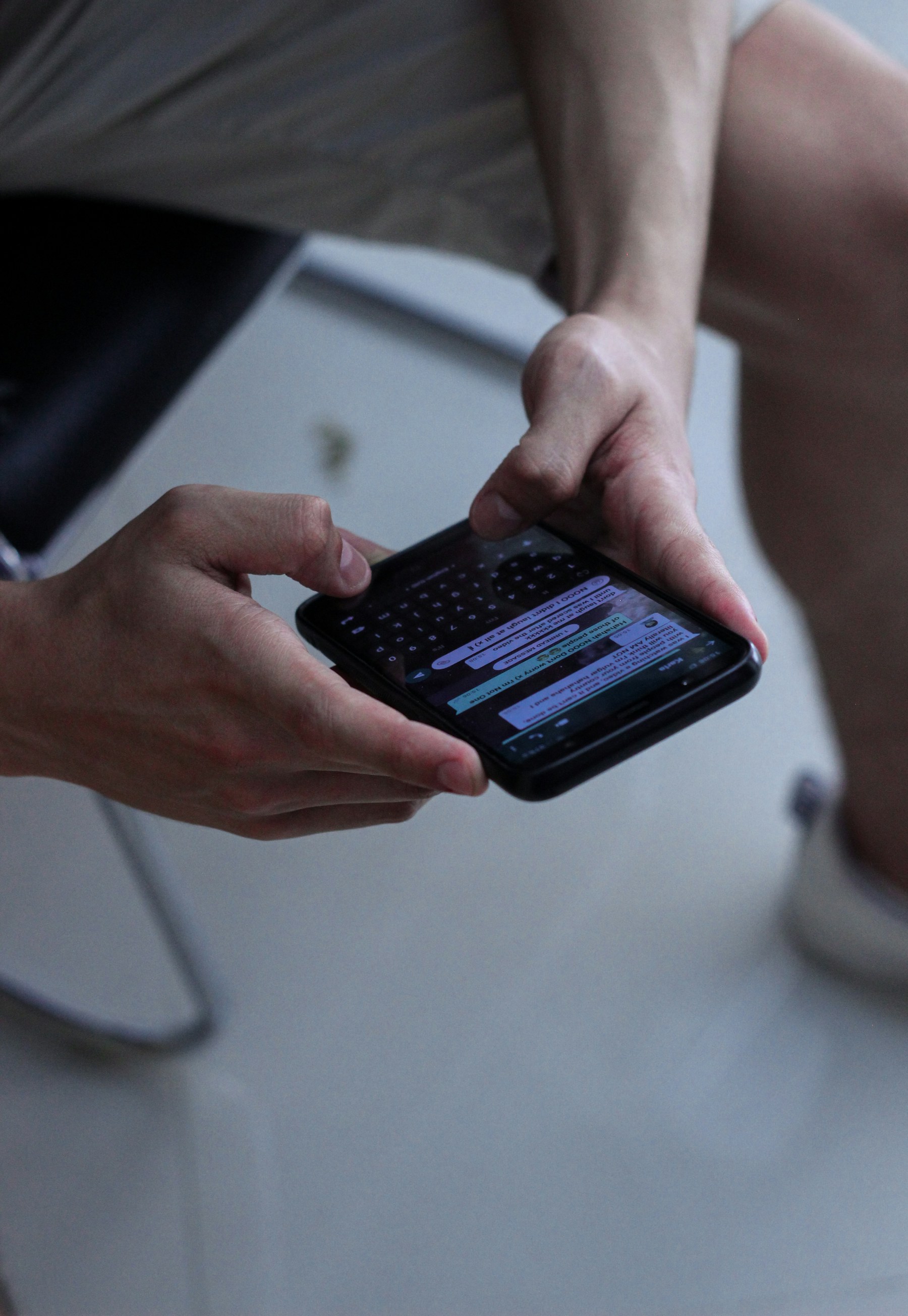
Long-distance relationships now have more tools for maintaining presence across time zones. The challenge is turning frequent contact into felt participation without making availability a constant test.
Why this shift matters
Long-distance couples can now share the texture of daily life through photos, calls, playlists and small live updates. That access creates continuity, but it can also turn visible activity into a misleading measure of how available or committed someone is.
Relationship advice is most useful when it leaves room for different needs, cultures and circumstances. The principles here are not a diagnosis or a universal script; they are prompts for noticing patterns, naming expectations and deciding what a respectful next step could be.
For a practical companion to this idea, read build a practical weekly communication routine across time zones.
What this looks like in practice
A recurring Sunday call may create more security than dozens of interrupted messages. Likewise, seeing a partner active online during a quiet period may trigger worry even when the public activity requires far less attention than a private conversation.
Patterns worth noticing
- Small recurring rituals can create continuity.
- Public posting is not a substitute for private reassurance.
- Plans for shared time give digital contact a wider context.
Distance becomes easier to hold when connection has rhythm, privacy and a shared horizon.
A more intentional approach
Build rituals that are reliable without making them rigid. Discuss time zones, busy periods, privacy and what kind of contact feels sustaining. Plans for the next in-person period also help daily communication belong to a larger shared horizon.
Questions to take into the conversation
- Which rituals help us feel included in daily life?
- How much spontaneity and structure do we each need?
- Are online signals becoming a scorecard for commitment?
Continue this topic with set clear limits for location sharing and shared accounts.
What to carry forward
Distance is easier to hold when contact has rhythm and meaning. Social media can support that rhythm, but it should not become a public scorecard for the health of the relationship.
Use these ideas as a starting point rather than a universal rule. Context, consent and direct conversation remain more informative than any single platform signal.
Sources & further reading
Continue with trusted research
- Happy couples: How to keep your relationship healthyAmerican Psychological Association
- Ways to deepen conversations and relationshipsAmerican Psychological Association
This article offers general educational context, not medical, legal or mental-health advice. See our Editorial Policy.